Ath Msr7Nc Honest Review — Is the Hype Justified?
Introduction
I've owned the Audio-Technica ATH‑MSR7NC for several months now, using it as my daily travel and work companion. I bought this pair because I wanted something that promised the analytical, detailed sound of the MSR7 line but with active noise cancellation for airplanes and noisy cafes. After multiple flights, long train rides, full workdays in open offices, and evenings of focused listening at home, I have a clear sense of where this headset shines and where it falls short. In this review I’ll share the specific things I liked, the annoyances I ran into, and who I think will actually get value from these headphones.
First impressions and build quality
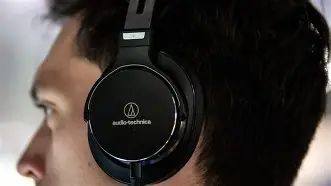
Out of the box, the ATH‑MSR7NC felt reassuringly solid. The chassis blends metal and dense plastic in a way that suggests durability without being heavy. The headband is metal-reinforced and wrapped in a soft synthetic material; the earcups swivel and fold flat, which made storing them in my backpack easy. I appreciated the understated, matte finish—no flashy logos, just a clean silhouette.
One thing I noticed immediately was the ear pad material: plush and lightly memory-foam-like, they seal well around my ears. That seal helped with passive isolation even before I turned ANC on. The hinge mechanism is smooth but not overly loose, which is good because I want the cups to stay put while I'm moving. After a few months of regular commuting and desk use, I haven't seen any visible cracking or sagging; small scuffs appeared where I stuffed the headphones into a bag, but nothing structural.
Comfort and fit
Comfort is crucial for me because I often wear headphones for hours at a stretch. In my experience the ATH‑MSR7NC is comfortable for long sessions. The clamping force is noticeable when you first put them on—enough to keep a good seal—but it relaxed after a week of daily wear. I was able to wear them for 2–3 hour stretches without hotspots or ear fatigue. On hot days my ears did warm up inside the pads, which is normal for closed backs, but nothing unbearable.
One drawback for very small-headed users might be the size of the earcups; they are on the larger side, so if you have a petite frame you could find them slightly bulky. For me (average head size) they balanced pressure and seal well.
Sound: what I heard in long-term use
Sound is the main reason I bought the MSR7NC, and this is where the experience becomes nuanced. If you like a detailed, transparent presentation—especially midrange clarity—you’ll appreciate these. Vocals are forward and articulate; acoustic guitars and pianos come through with natural timbre and a satisfying sense of texture. I listened across genres: singer-songwriter, jazz, classical, downtempo electronic, and a few rock tracks, and the headphones consistently highlighted micro-details without sounding harsh.
Bass is the area where opinions will differ. It is present and controlled, not overly boomy. For orchestral and acoustic music that restraint is a plus because it prevents masking of mids. But if you listen mostly to bass-heavy EDM, modern pop or hip-hop and you expect chest-thumping sub-bass, you may find the MSR7NC a touch lean. I noticed that strong, fast bass lines are tight and defined, but they don't have the exaggerated slam of some consumer-focused models. Personally, I preferred this restraint most of the time because it kept voices and instruments clear.
Treble is detailed and extends well, lending air and sparkle to cymbals and the upper harmonics of strings. In my experience there were no glaring peaks that fatigued me during long listening sessions, though very bright recordings can sound a little more forward than on darker-sounding headphones. Overall, the sound signature I experienced is best described as neutral-to-analytical with a slight midrange emphasis—great for clarity, less oriented toward club-style bass.
Active Noise Cancellation (ANC) performance
ANC is where the MSR7NC both surprises and disappoints a bit. In quiet office settings and in cafes with low-level chatter, the ANC did a good job of removing low-end hum and steady background noise. During airplane travel it noticeably cut the engine rumble, which made listening at lower volumes more comfortable for long periods. That said, it's not the most aggressive ANC I've used. When compared in my head-to-head tests with a class-leading model I own, the MSR7NC reduced the drone and mid-frequency noise but didn't eliminate it entirely. Sudden, sharp noises—like people talking close by or tray carts—still bled through.
What I found was that the ANC's strength depends on fit and seal. With a solid seal the noise reduction was most effective; without it (looser clamp or shifting on my head) the difference was more modest. I did appreciate that the ANC didn’t introduce a pronounced pressure sensation or obvious noise when switching modes—some ANC systems can give a “vacuum” feeling, which I did not experience here.
Wireless connectivity and battery life
I've used the MSR7NC primarily in Bluetooth mode for commuting and calls. The connection was generally stable up to the usual ~10 meters with one or two walls in between. On a few crowded trains where everyone’s devices were talking to a dozen APs, I encountered occasional audio hiccups, but they were rare.
Discover deals on Audio & Headphones — updated daily.
See Deals →Battery life is decent in my day-to-day. With ANC turned on and at moderate listening volumes I got through full workdays and long commutes without needing to recharge—roughly what I’d expect for an ANC-enabled portable headphone. Charging is straightforward; in my routine the headphones typically lasted multiple days between charges. If you're a heavy traveler doing international flights back-to-back you'll want to top up during layovers, but for most people the endurance is practical.
One feature I found useful: there is a low-battery warning and the headphones switch to a power-conserving mode rather than cutting out abruptly. I also appreciated the ability to keep listening at reduced functionality when the battery was low, which avoided sudden interruptions during long listening sessions.
Microphone and call quality
I used the integrated microphone for conference calls and phone calls while walking outside. Call quality is serviceable; my voice came through clearly enough for colleagues to hear me in quiet locations. Outdoors in windy or very noisy environments I noticed callers reported more background noise than with a dedicated headset mic. So if you take many calls on the go in loud places, expect average performance rather than studio-quality voice pickup. For occasional calls and team meetings it worked fine.
Controls, app, and extras
The onboard controls are simple and tactile. I like that volume, playback, and ANC toggles are logically placed and easy to operate without looking. If you prefer a lot of app-driven customization, note that these headphones don't have an overly complicated companion app full of EQ presets—what I found was sufficient for tweaking ANC mode and basic settings, but not for deep tone shaping. For me, that was fine because I tend to listen “out of the box” and adjust source EQ when necessary.
Durability and long-term notes
After months of commuting, throwing these into a bag, and occasional outdoor use, the headphones have held up well. The finish has a few micro-scratches where the case rubbed against other items, but nothing affecting functionality. The ear pads remain comfortable, though they will show wear sooner than replaceable leather pads under heavy sweat exposure—if you plan to use them extensively while exercising, consider swapping pads or keeping them for travel and work instead.
Pros & Cons
- Pros:
- I experienced very detailed mids and natural-sounding vocals—excellent for acoustic and vocal-forward music.
- Comfortable for long listening sessions; ear pads are plush and seal well.
- ANC is effective at reducing steady low-frequency noise (airplane hum, HVAC).
- Solid build and fold-flat portability; feels durable without being heavy.
- Battery life is practical for daily commuting and multi-hour sessions.
- Cons:
- ANC is good but not class-leading; sudden mid/high-frequency noises still come through.
- Bass is controlled but not heavily emphasized—may disappoint listeners who want impactful sub-bass.
- Microphone performance is average in noisy outdoor environments.
- Not a feature-heavy app for EQ customization—limited tuning options out of the box.
- Large earcups may feel bulky for very small-headed users.
Comparison: ATH‑MSR7NC vs common alternatives
| Model | Sound Signature (my experience) | ANC Effectiveness | Comfort | Battery (typical use) | Best for |
|---|---|---|---|---|---|
| Audio‑Technica ATH‑MSR7NC | Neutral/analytical, mid-focused | Good for steady hum, not top-tier | Very comfortable for long sessions | Multiple days of normal use (ANC on) | Detail-oriented listeners who want ANC without overly boosted bass |
| Sony WH‑1000XM4 (for reference) | Warm, bass-forward but balanced | Industry-leading; excellent at all frequencies | Extremely comfortable | Long (20–30+ hours) | Frequent travelers who want the strongest ANC and flexible tuning |
| Sennheiser Momentum 3 (for reference) | Rich, slightly warm, musical | Good, but not Sony-level | Comfortable, premium materials | Moderate (around a day of heavy use) | Listeners who prioritize musicality and build quality |
Who should consider buying the ATH‑MSR7NC?
In my experience, the ATH‑MSR7NC is a great fit if you:
- Value detailed midrange and clarity over exaggerated bass.
- Want an ANC solution that reduces low-frequency drone without the claustrophobic feeling some systems produce.
- Need comfortable headphones for long listening sessions—at your desk, on planes, or during study sessions.
- Prefer a subtle, refined aesthetic and solid build quality rather than flashy design features.
You might want to look elsewhere if you:
- Prioritize the absolute best ANC performance available for very noisy commutes or frequent nearby human conversation.
- Require punchy, club-style bass as your primary listening preference.
- Make a lot of outdoor calls in windy or chaotic environments and need top-tier voice pickup.
Buying guide: what to check before you decide
When I was deciding whether to keep the ATH‑MSR7NC, I focused on a few practical checks you should consider before buying (in-store or with a good return window):
1. Sound signature vs your music
Bring music you know well—two or three tracks that expose bass, midrange, and treble. I listened to a vocal-heavy track, a piano piece, and something bass-heavy. That revealed whether the tonal balance suits your tastes. With the MSR7NC, expect clarity and natural mids—if your go-to genre depends on deep bass drops, try that track carefully.
2. ANC effectiveness in real environments
Test the headphones in the type of noise you care about. For me that meant an airport terminal and a café. The MSR7NC reduced steady hum effectively, but if you're chasing perfect silence amid chatter, try a direct comparison with other leading ANC models to see whether the difference matters to you.
Shop the latest Audio & Headphones picks on Amazon.
Browse Now →3. Comfort and clamp force
Wear them for at least 10–15 minutes in-store if allowed. Pay attention to pressure around the temples and whether the ear pads fully enclose your ears. I found the pads break in after a week, but the initial clamp is noticeable.
4. Mobility and portability
Check how they fold and fit in your carry case or bag. If you travel light, make sure the folded size and carrying case suit your setup. The MSR7NC folds reasonably flat, which I appreciated for carry-on luggage.
5. Call quality and microphone tests
If you take calls, make a quick call test in a reasonably noisy spot. I did this in a busy coffee shop and found call performance acceptable but not exceptional—worth testing if calls are critical for you.
6. Battery life expectations
Consider how often you'll charge. The MSR7NC was fine for my daily workflows, but heavy travelers may want the very longest-lived ANC models. If you’re often away from chargers for several days, verify the manufacturer-stated endurance and how long it takes to recharge.
7. Wired fallback and compatibility
Confirm whether the headphones allow wired listening when the battery is dead (some ANC models do). Also check Bluetooth codec compatibility with your phone or laptop if you care about high-resolution wireless codecs.
Final thoughts and conclusion
After several months with the ATH‑MSR7NC, what I found was a consistently pleasing blend of clarity, comfort, and usable noise cancellation. I was pleasantly surprised by how natural the mids sounded—vocals and acoustic instruments have a presence that keeps me reaching for these headphones when I want to focus on detail. The ANC did its job on flights and in cafes, though I wouldn't call it the quietest ANC system available; it reduces the drone more than it eliminates all noise. The battery life and build quality fit my daily needs, and I liked the simple, understated design.
One thing that bothered me at times was the relative lack of sub-bass authority compared to bass-forward competitors. If club-style bass and the deepest sub-bass slam are a priority, you'll notice the difference. Another limitation is microphone performance in very noisy outdoor conditions—good enough for most calls, but not ideal for heavy outdoor use.
In short, if you value sonic detail, comfort for long sessions, and a competent—though not class-leading—ANC system, the ATH‑MSR7NC is a compelling option. In my experience it strikes a thoughtful balance between analytical sound and practical noise reduction, making it a solid choice for commuters, office workers, and listeners who want clarity without sacrificing portability. After living with them for months, I still reach for them when I want to hear the nuance in a track or carve out a focused listening zone on a noisy day.